

How to Pack a Suitcase Like a Frequent Traveler: Top Hacks
Smart packing can turn limited suitcase space into an organized setup that makes travel noticeably easier. Learning how to pack a suitcase like a frequent traveler means prioritizing versatile clothing, arranging heavier items strategically, using small gaps efficiently, and keeping essentials within reach.
Thoughtful organization also reduces unnecessary bulk, protects belongings, and makes unpacking simpler, whether you are preparing for a short getaway or a longer journey.
1. Top Hacks: How to Pack a Suitcase Efficiently
Efficient packing starts with using suitcase space intentionally instead of forcing in extra items. Organizing belongings by shape, weight, and purpose can make packing neater and unpacking much easier.
How to Pack Clothes in a Suitcase
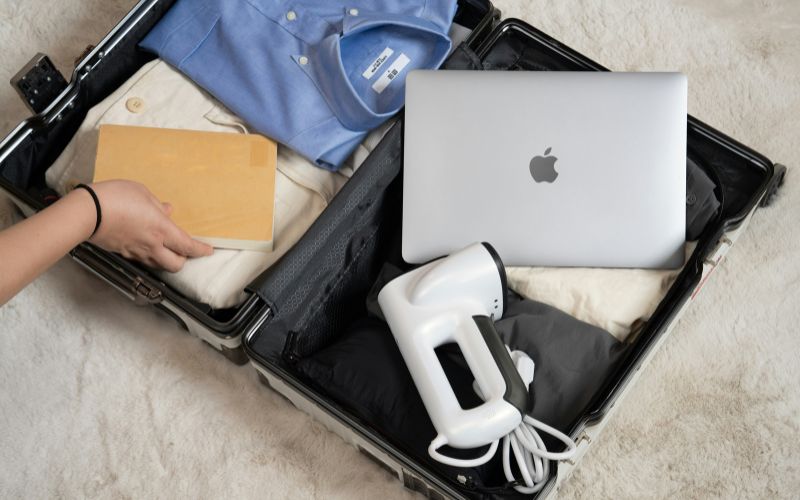
Roll lightweight items such as T-shirts, pajamas, and casual pants to reduce bulk and fill narrow spaces efficiently. Structured clothing, including shirts and jackets, usually benefits from careful folding to limit creases and keep the suitcase organized.
For how to pack a suit in a suitcase, fold the jacket along its natural seams and place it near the top with the trousers folded separately. Packing cubes can also separate outfits and prevent clothes from shifting during travel.
How to Pack Shoes Without Taking Up Space
Place shoes near the bottom or along the suitcase edges, where their shape can fit around other belongings more naturally. Stuff clean socks, belts, or lightweight accessories inside each pair to use the empty space instead of leaving it wasted.
Use shoe bags, reusable covers, or separate pouches to keep soles away from clothing. Limiting yourself to versatile pairs and wearing the bulkiest shoes while traveling can also free up valuable room f
or other essentials.
How to Pack Toiletries and Liquids Safely
Keep toiletries together inside a waterproof or leak-resistant pouch to prevent spills from reaching clothing or electronics. Tighten bottle caps carefully, use smaller travel containers when possible, and avoid packing oversized products that take up unnecessary space.
Place liquids inside sealed bags for an extra layer of protection, especially during flights when pressure changes can cause leaks. Keep frequently used items accessible, and follow current carry-on liquid restrictions when flying so security screening remains straightforward.
How to Pack Electronics and Chargers
Protect phones, tablets, cameras, and other electronics with padded sleeves or dedicated compartments instead of placing them loosely among heavier belongings. Coil cables neatly and secure them with small ties so they do not tangle or put pressure on charging ports.
Store chargers, adapters, earbuds, and small accessories together in one organizer for easy access. Valuable electronics and spare lithium batteries should generally remain in carry-on luggage rather than checked baggage, subject to current airline safety rules.

How to Pack Accessories and Small Essentials
Small belongings can disappear easily inside a packed suitcase, so keep jewelry, watches, medications, documents, and similar items in separate pouches or compact organizers. This also helps prevent delicate pieces from tangling, scratching, or becoming damaged in transit.
Place anything you may need during the journey in an accessible pocket rather than underneath clothing. Lightweight accessories can also fill narrow gaps between larger items, helping you use space efficiently without adding pressure to fragile belongings.
>>> Also read: How to Wash a Hat and Keep It Looking New at the First Wash
2. Essential Items People Always Forget to Pack
Small essentials are often the easiest things to overlook because they do not take up much space or feel urgent during packing. Double-checking these items before closing your suitcase can prevent unnecessary stress once the trip begins.
Chargers
Phone, tablet, smartwatch, and camera chargers are easy to leave behind, especially when devices are still plugged in before departure. Keep all cables, adapters, and charging blocks in one pouch, and add them to your how to pack a suitcase checklist before leaving home.
Medications
Prescription medicines and commonly used health items should be packed early rather than added at the last minute. Bring enough for the entire trip, keep essential medication accessible, and carry prescription information when appropriate in case you need replacements or medical assistance.
Travel Documents
Passports, identification, boarding information, visas, insurance details, and reservation confirmations should be checked before departure. Store physical documents together in a secure travel wallet and keep digital copies available on your phone or cloud storage for backup.
Emergency Outfit
Flight delays, misplaced luggage, spills, or unexpected weather can make a spare outfit extremely useful. Pack one lightweight change of clothes, including underwear and socks, in your carry-on so you have something clean to wear if your checked bag is unavailable.
>>> Also read: How Does a SIM Card Work for International Travel? Stay Linked
3. Travel Smarter With Better Packing Habits
Good packing habits can save time, reduce clutter, and make every trip feel more organized from departure to unpacking. Building a simple routine also helps prevent overpacking, forgotten essentials, and last-minute stress.
Make a Packing List
Write down clothing, toiletries, electronics, documents, and personal essentials before packing. A checklist keeps the process organized and reduces the chance of forgetting small items. When learning how to pack a suitcase, listing everything first can also reveal unnecessary duplicates before they take up space.
Pack by Outfit
Group clothing into complete outfits instead of packing individual pieces randomly. This makes it easier to see what you actually need and prevents bringing extra tops, bottoms, or accessories that do not work together. Versatile pieces that can be mixed and matched are especially useful.
Leave Some Extra Space
Avoid filling every corner of your suitcase before departure. Leaving a little room makes repacking easier and gives you space for souvenirs, purchases, or unexpected items. It can also prevent clothing from becoming overly compressed and help keep the suitcase within weight limits.
Keep Essentials Accessible
Items such as travel documents, medication, chargers, and a spare outfit should remain easy to reach. Store them in your carry-on or an accessible compartment rather than underneath everything else. This saves time during transit and keeps important belongings available if checked luggage is delayed.
4. How to Access Maps, Tickets, and Travel Updates Anywhere
Travel plans can change quickly, so having mobile access to maps, boarding passes, reservations, and real-time updates can make each trip easier to manage. Lifeline can help eligible low-income consumers reduce the cost of qualifying phone service, supporting everyday access to calls, texts, data, and essential digital resources.
TAG Mobile is a U.S. wireless provider headquartered in Houston, Texas, and a licensed Lifeline provider serving qualifying customers in participating areas. Its Lifeline offering combines monthly wireless service with practical benefits such as up to 16GB of data, unlimited talk and text, free international calling to 200+ countries and territories, plus free or discounted phone options depending on eligibility and availability.
Having the right device can make it easier to pull up directions, save digital tickets, confirm hotel details, or respond to schedule changes while traveling. TAG Mobile currently lists several smartphone options, although pricing and availability can vary by ZIP code and inventory.
- Apple iPhone X: Reliable iPhone for navigation, travel bookings, messaging, mobile payments, and managing digital tickets on the go.
- Apple iPhone XS: Compact smartphone for handling boarding passes, navigation, travel photos, reservation details, and everyday apps.
- Apple iPad mini 4: Lightweight tablet with a larger display for reading travel guides, planning itineraries, streaming videos, and browsing comfortably while traveling.
- Clovertek G17: Android smartphone suitable for maps, communication, travel planning, online searches, and other everyday mobile tasks.
- Samsung Galaxy A32 5G: 5G-capable smartphone well suited to maps, streaming travel information, online reservations, and everyday mobile use.
Device prices, free-phone offers, and available models can vary by state, ZIP code, eligibility, and current inventory.

Note: Eligibility varies by state and program. Offers depend on availability and qualifications. TAG Mobile operates under the federal Lifeline Program as an Eligible Telecommunications Carrier (ETC). Service is non-transferable and limited to one service per household.
5. Frequently Asked Questions About Packing
Packing decisions can affect how much fits, how organized everything stays, and how clothes look when you arrive. These common questions cover a few practical techniques that can make suitcase space easier to manage.
Is it better to roll or fold clothes?
Rolling works well for T-shirts, casual pants, pajamas, and other soft items because it saves space and fills small gaps efficiently. Folding is usually better for structured garments such as shirts, jackets, and trousers that are more likely to crease.
How do you pack a suitcase to avoid wrinkles?
Fold wrinkle-prone clothing carefully, avoid overstuffing the suitcase, and place structured garments near the top where they face less pressure. Tissue paper, garment folders, or packing cubes can also help reduce shifting and compression during travel.
How do packing cubes help?
Packing cubes separate clothing by category, outfit, or traveler, making items easier to locate without unpacking everything. They also help contain loose garments, reduce clutter, and make repacking faster, although they do not always reduce overall weight.
6. Final Words
Smart packing can make travel feel more organized, comfortable, and less stressful from departure to arrival. Learning how to pack a suitcase means balancing space-saving techniques with easy access to clothes, documents, electronics, and everyday essentials. Better habits also simplify unpacking and repacking. For convenient access to maps, tickets, and travel updates, eligible consumers can explore Lifeline-supported wireless service through TAG Mobile.
- Share This:
-

-

-

-

-

About the author
