

How to Brew Pour Over Coffee Like a Barista with Pro Tips
Better pour-over coffee starts with control over grind size, water temperature, pouring speed, and brew time.
This guide explains how to brew pour over coffee, how each small adjustment affects flavor, and why the right technique can create a cleaner, brighter cup at home. For more practical lifestyle tips and everyday support ideas, refer to TAG Mobile’s article.
1. Why Does Pour Over Coffee Taste Different?
Pour-over coffee has a cleaner, more layered taste because the brewing process gives you more control than many automatic methods.
Small choices in water flow, grind size, filter type, water temperature, coffee-to-water ratio, and brewing time can noticeably change the aroma, balance, strength, and overall flavor of the final cup.
- Controlled water flow: Pour-over brewing lets you decide how fast and where the water touches the coffee grounds. This affects extraction, balance, and how evenly flavors develop.
- Freshly ground coffee: Fresh grounds release more aroma and flavor during brewing. A medium-fine grind often helps bring out sweetness, acidity, and clarity without making the coffee too bitter.
- Paper filter clarity: Paper filters trap more oils and fine particles than metal filters. This creates a lighter body, cleaner finish, and brighter flavor profile.
- Precise brewing time: Pouring over coffee usually requires careful timing. Brewing too fast can result in a weak or sour taste, while brewing too long may create bitterness.
- Better flavor separation: Because the process is slower and more intentional, different flavor notes can stand out more clearly. You may notice fruit, floral, chocolate, nutty, or caramel-like notes depending on the beans.
2. How to Brew Pour Over Coffee Step by Step
Great pour-over coffee comes from patience, steady pouring, and small details that guide extraction. When each step is done with care, the final cup tastes cleaner, smoother, and more balanced, allowing the coffee’s natural sweetness, aroma, acidity, and subtle flavor notes to stand out.
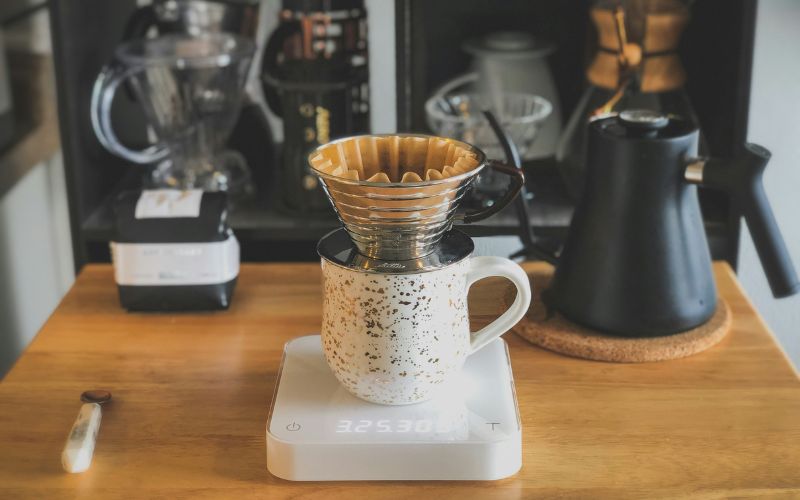
Prepare Your Equipment
Clean, balanced coffee depends on steady technique, not complicated tools. With the right setup, a proper bloom, controlled pouring, and consistent brew time, you can bring out natural sweetness, aroma, and clarity from your beans while keeping the cup smooth, bright, and enjoyable from the first sip to the last.
Rinse the Filter
Set up your dripper, paper filter, mug or carafe, scale, kettle, timer, and freshly ground coffee. Medium-fine grounds usually give the water enough contact time to extract flavor without making the drink harsh. Measuring both coffee and water also helps each cup taste more consistent.
Bloom the Coffee
Place the paper filter in the dripper, then rinse it with hot water before adding coffee grounds. This removes paper taste and warms the brewer and cup for better temperature control.
After rinsing, discard the water completely so it does not dilute the coffee or change the clean final flavor.
Continue Pouring
Add the grounds, then wet them with a small amount of hot water and wait briefly.
This releases trapped gas and prepares the coffee bed for smoother extraction. For anyone learning how to brew perfect pour over coffee, this early step can make the cup taste cleaner and more balanced.
Finish the Brew
Here’s the last step in the guide of how to brew pour over coffee.
After the bloom, pour water slowly in controlled circles, moving from the center outward. Keep the water level steady and avoid pouring directly onto the filter walls.
A calm, even flow helps extract sweetness, aroma, and body while reducing the risk of sharp bitterness or uneven flavor.
3. How Long to Brew Pour Over Coffee?
Pour-over coffee usually takes about 2.5 to 3.5 minutes from the first pour to the final drawdown, when all the water has passed through the grounds.
If it drains too quickly, the cup may taste weak, thin, or sour. If the process takes too long, the flavor may become bitter, harsh, or overly dry.
Adjusting the grind size, pouring speed, and water amount can help achieve a more balanced and enjoyable cup.
4. Common Pour Over Brewing Mistakes
Small brewing errors can change a cup from bright and smooth to weak, harsh, or uneven. Paying attention to pouring style, grind size, blooming, and timing helps create better flavor with every brew.
Uneven Pouring
Uneven pouring can cause some grounds to extract too much while others remain under-extracted. This often creates a cup that tastes both bitter and sour. When learning how to brew a pour over coffee, pour slowly in steady circles and keep the coffee bed evenly saturated.
Incorrect Grind
Grind size has a major effect on both taste and brew time. Grounds that are too coarse may let water pass through too quickly, creating a cup that tastes thin, weak, or acidic. Grounds that are too fine can slow the drawdown and pull out harsh bitterness. Medium-fine grounds are usually the best starting point for balanced extraction, smooth body, and clearer flavor.
Skipping the Bloom
Skipping the bloom can make extraction less even because fresh coffee releases trapped gas during the first contact with hot water. Without this step, water may not flow through the grounds properly, which can leave some areas under-extracted and others over-extracted. Letting the coffee bloom briefly helps the grounds settle, improves aroma, and creates a cleaner, more balanced cup with better clarity.
Rushing the Brew
Rushing the process can lead to weak flavor because the water does not have enough contact time with the grounds. Pouring too quickly may also disturb the coffee bed and create uneven extraction. Slower, controlled pouring helps bring out sweetness, body, and a cleaner finish.

5. Final Words
Better coffee starts with fresh grounds, steady pouring, the right water temperature, and enough patience to let each step work. When you understand how to brew pour over coffee, it becomes easier to control strength, balance, aroma, and clarity in every cup.
This simple method helps you avoid weak flavor, harsh bitterness, and uneven extraction without needing complicated equipment. For more practical lifestyle tips and everyday support ideas, explore helpful resources from TAG Mobile.
- Share This:
-

-

-

-

-



About the author
