

EBT Qualifications and Fast Apply: Check the Latest List
Benefit approval depends on more than income alone, so applicants should review household size, expenses, resources, citizenship rules, and state-specific SNAP requirements before applying.
This guide to EBT qualifications will help you explore the main factors that may affect eligibility.
1. What Are the Qualifications for EBT?
EBT eligibility through SNAP is usually based on income, household size, allowable deductions, and certain resource limits.
Since rules can vary by state, applicants should use these federal guidelines as a starting point and confirm final requirements with their local SNAP office.
- Gross monthly income: Household income before deductions is generally limited to 130% of the federal poverty line. In federal fiscal year 2026, the poverty line for a family of three is $2,221 per month, so 130% equals $2,888 per month, or about $34,656 per year.
- Net income: Household income after approved deductions must generally be at or below the poverty line. These deductions may include certain housing costs, childcare expenses, and medical costs for elderly or disabled household members.
- Asset limits: Households without a member age 60 or older or a person with a disability generally must have $3,000 or less in countable assets. Households with an older adult or disabled member may have up to $4,500.
- State-specific rules: Some states may apply different rules, deductions, or broad-based categorical eligibility. Applicants should always confirm final EBT qualifications with their state SNAP office before applying.
>>> Read More: How to Apply for EBT Card? Detailed Guide for Every SNAP Users
2. The 5 Main Factors States Use to Determine EBT Eligibility
State SNAP agencies review several details before deciding whether a household qualifies for EBT benefits. These factors help determine both eligibility and the benefit amount a household may receive.
Household Income
Household income is one of the most important factors in the SNAP review process. States usually compare gross income before deductions and net income after deductions to the federal poverty guidelines.
Approved deductions may include certain housing costs, childcare expenses, and medical costs for elderly or disabled household members. Because income limits can change by household size and state rules, applicants should check the latest requirements before applying.
Household Size
Household size affects both income limits and possible benefit amounts. SNAP usually counts people who live together and buy or prepare meals together as one household.
Larger households often have higher income limits because more people depend on the same resources. States may also review relationships, shared expenses, and whether certain household members must be included together under SNAP rules.
Resources and Assets
Resources and assets may include money in checking accounts, savings accounts, or other countable financial resources. Some households must stay under specific asset limits to qualify for SNAP benefits.
For many applicants, EBT qualifications depend on whether the household includes an older adult or a person with a disability. These households may have different resource limits, while some states apply broader eligibility rules that reduce asset restrictions.
Residency Requirements
Applicants usually need to apply in the state where they currently live. SNAP benefits are managed at the state level, so the correct office must review the household’s application, documents, and case details.
Proof of residency may include a lease, utility bill, rent receipt, or other document showing the current address. Moving to another state may require closing one case and applying again in the new location.
Citizenship or Eligible Immigration Status
SNAP is generally available to U.S. citizens and certain lawfully present non-citizens who meet program rules. States may ask for documents that confirm citizenship, immigration status, or Social Security number information.
Parents who do not qualify may still apply for eligible children in the household. The agency should review only the required information for the person applying, so families should not avoid applying before checking the official rules.
>>> Read more: How to Get EBT: Step-by-Step Application Guide
3. Documents You’ll Need to Prove Eligibility
Strong documents can help the SNAP office verify your household details faster and reduce delays during review. If readers are wondering what are the qualifications for an EBT card are, these records show the main proof agencies may request before approval.
- A valid ID
- A driver’s license, state ID, passport, or another official document can help verify your identity, legal name, and date of birth.
- A valid Social Security Number
- Most applicants must provide a Social Security Number or proof that they have applied for one.
- Proof of where you live
- A lease, utility bill, rent receipt, mortgage statement, or landlord letter may confirm your current address.
- Proof of earned and unearned income
- Pay stubs, unemployment letters, Social Security statements, child support records, or benefit notices can show wages and other income sources.
- Proof of resources
- Bank statements or savings account records may be needed if your state reviews countable assets.
- Proof of citizenship or immigration status
- Non-citizens may need documents showing an eligible immigration status before benefits are approved.
- Proof of student status
- College students may need enrollment records, class schedules, work-study proof, or other documents showing whether they meet SNAP student rules.

4. What Happens After You Meet the Qualifications?
Meeting the basic SNAP requirements is only the first part of the process. After that, applicants still need to submit a complete application, respond to state requests, and wait for an official decision.
Submitting an Application
After confirming eligibility, applicants can usually submit a SNAP application online, by mail, by phone, or in person through their state agency.
The form should include accurate household details, income information, expenses, and required documents. Missing or incorrect information may delay the review process, so checking everything before submission is important.
Completing an Interview
Many states require an interview before approving SNAP benefits. This interview is often completed by phone, though some offices may offer in-person options.
During the interview, the caseworker may confirm household size, income, expenses, and documents. Answering clearly and responding to follow-up requests can help the process move faster.
Approval Timelines
Most SNAP applicants receive a decision within 30 days after submitting a complete application.
Households with very limited income or urgent need may qualify for expedited benefits, which can arrive faster if state rules are met. Applicants should watch for mail, emails, calls, or portal updates during this period.
Receiving an EBT Card
Once approved, the household usually receives an EBT card by mail with instructions for setting a PIN. Benefits are loaded onto the card and can be used at authorized stores for eligible food items.
New users should check their balance, learn purchase rules, and keep the card secure.
5. Qualifying for SNAP May Lead to Other Benefits
Meeting SNAP requirements may also help households unlock support beyond food assistance. One valuable option is phone service support, which can reduce monthly costs and make daily communication easier.
The Lifeline Program is a federal assistance program that helps eligible low-income consumers access discounted phone or internet service. SNAP participation is one accepted way to qualify, along with income-based eligibility or participation in programs such as Medicaid, SSI, FPHA, Veterans Pension or Survivors Benefit, and certain Tribal programs.
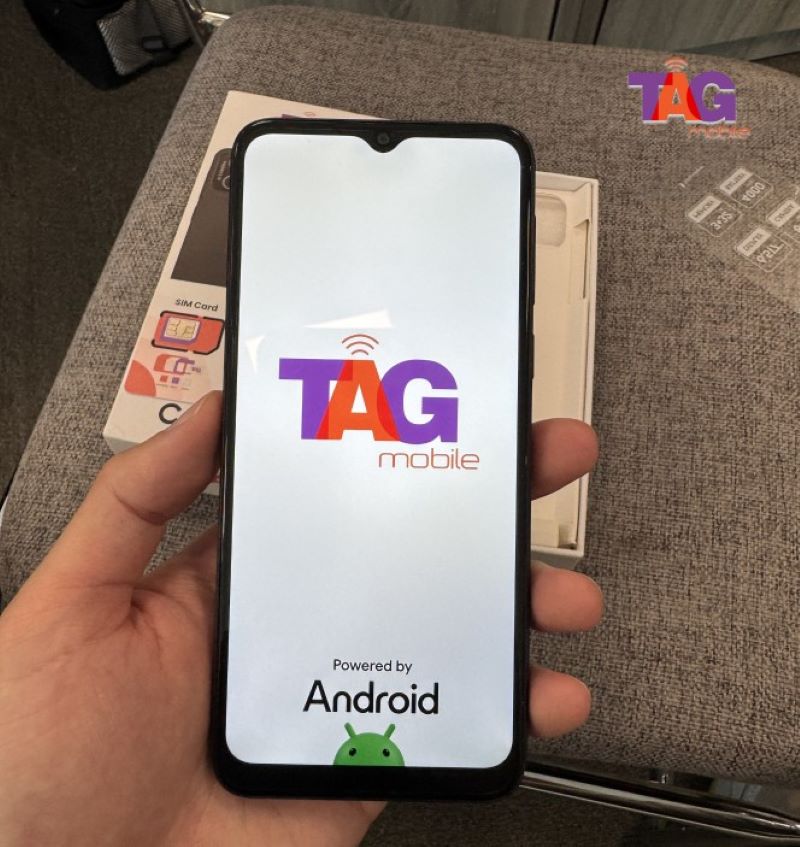
TAG Mobile is an ETC that provides Lifeline service plans for eligible customers and may also offer device options based on qualification, location, and availability. Lifeline helps lower the cost of monthly communication service, while TAG Mobile helps customers access plan features, possible devices, talk, text, data, Wi-Fi calling, and international calling benefits.
Device options may vary by ZIP code, eligibility, and current availability. Applicants should check TAG Mobile directly to see which offers are available before applying.
- iPhone 8: May appeal to users looking for a compact Apple device with straightforward functionality for everyday communication.
- iPhone XR: An Apple smartphone with a larger screen and a familiar iOS interface that supports everyday communication and mobile activities.
- Samsung Tab A7 Lite: A compact Android tablet with a larger screen that may be useful for browsing, video calls, streaming, reading, and other everyday online activities.
- Samsung Galaxy A20: A practical Samsung smartphone that offers a large display and essential features for calling, messaging, browsing, and daily communication.
- FOXXD A67U: An Android smartphone designed for everyday connectivity, providing core features that support calls, texts, mobile apps, and routine online tasks.
Note: Eligibility varies by state and program. Offers depend on availability and qualifications. TAG Mobile operates under the federal Lifeline Program as an Eligible Telecommunications Carrier (ETC). Service is non-transferable and limited to one service per household.
6. Final Words
Clear income details, household records, and updated documents can make the SNAP application process smoother from the start. Since income, household size, resources, residency, and legal status all affect approval, applicants should check state rules carefully before submitting forms.
Reviewing EBT qualifications early also helps households avoid missing proof or misunderstanding benefit limits. After approval, families may qualify for added savings beyond groceries. For phone service support, TAG Mobile offers Lifeline options, possible device availability, and useful communication benefits for eligible customers.
- Share This:
-

-

-

-

-


About the author
