

Does Medicare Cover Memory Care? Protecting Your Loved One
Caring for someone with memory loss often comes with many difficult decisions, especially when coverage details are unclear. Many families look into does Medicare cover memory care to understand what support is available and what gaps they may need to plan for.
Having a clear picture of these limits makes it easier to prepare both financially and emotionally. Reliable communication tools can also support daily coordination, and services from TAG Mobile can help make managing care more convenient and consistent.
1. What is Memory Care?
Memory care is a specialized type of long-term care designed for people living with Alzheimer’s disease, dementia, or other conditions that affect memory and thinking abilities. It provides a secure and structured environment where trained staff can support individuals who may experience confusion, wandering, or difficulty with daily tasks.
This type of care usually includes 24-hour supervision, assistance with activities like eating, bathing, and medication management, along with programs that help maintain cognitive function.
The goal is to create a safe, calm setting that supports daily routines while helping improve the quality of life for both the individual and their family.

2. Does Medicare Cover Memory Care?
Many families wonder “does Medicare cover memory care” when planning long-term support for loved ones with dementia. In most cases, Medicare does not pay for the cost of living in memory care facilities because this type of care is considered custodial, meaning it focuses on daily assistance rather than medical treatment.
However, Medicare may still cover certain healthcare services related to memory conditions. This can include doctor visits, diagnostic testing, care planning, and short-term skilled nursing or hospice care when medically necessary.
While these benefits can help manage health needs, they do not cover the ongoing residential costs of memory care, which often require other financial planning options.
3. What Memory-Related Services Medicare DOES Pay For?
Understanding does Medicare cover memory care coverage can help families plan more realistically. While full-time residential support is limited, Medicare still provides important medical services related to cognitive conditions.
- Cognitive assessments to diagnose dementia
Medicare covers evaluations used to detect memory loss and cognitive decline. These tests help doctors identify conditions early and guide appropriate treatment plans. - Dementia care-planning visits
Patients can receive structured care-planning services, where providers create personalized strategies for managing symptoms and daily needs. This often includes support for both patients and caregivers. - Dementia-related medical appointments
Medicare pays for doctor visits that focus on diagnosing, monitoring, and managing dementia or related conditions over time. - Prescription medications (Part D)
Medications used to manage symptoms of dementia may be covered under Medicare Part D, depending on the specific plan and drug formulary. - Short-term skilled nursing after hospitalization
If a patient is hospitalized, Medicare may cover a limited stay in a skilled nursing facility for recovery and rehabilitation. - Part-time, medically necessary home health care
Medicare can cover intermittent home health services, including nursing care or therapy, when prescribed by a doctor. - Hospice care for dementia
For individuals with advanced dementia, Medicare covers hospice services focused on comfort, symptom management, and end-of-life care.
>>> Read More: Does Medicare Cover 24-Hour in Home Hospice Care? 5 Facts
4. Some Suggested Alternatives to Pay for Memory Care
Planning for memory care often requires looking beyond does Medicare cover memory care to find sustainable financial support. Exploring alternative programs early can help families reduce long-term costs and avoid sudden financial pressure.
Medicaid (Primary Coverage Option)
Medicaid is one of the most common ways to pay for memory care, especially for individuals with limited income and assets. Unlike Medicare, it may cover long-term care services, including nursing home stays and, in some states, memory care through home- and community-based programs.
Eligibility rules vary by state and usually require meeting strict income and asset limits. Some states also offer waiver programs that allow care to be provided at home or in assisted living settings. Since approval can take time, planning early and understanding local requirements is essential.
Long-Term Care Insurance
Long-term care insurance is designed to cover services that Medicare typically does not include, such as extended memory care in assisted living or specialized facilities. Many policies include coverage for daily care, supervision, and support services for individuals with dementia.
Premiums depend on factors like age, health, and level of coverage, so enrolling earlier can help reduce costs. Reviewing policy details carefully is important to understand waiting periods, coverage limits, and exactly what types of care are included.
Veterans Benefits (VA Aid & Attendance)
Veterans and their spouses may qualify for additional financial support through VA Aid and Attendance benefits. This program provides monthly payments that can be used toward memory care, assisted living, or in-home support services.
Eligibility depends on military service history, income level, and medical need, especially the need for help with daily activities. Although the application process may require documentation and evaluation, this benefit can significantly reduce the financial burden of long-term care.
5. Families Managing Memory Care Can Get Free Support from This Program!
Caring for someone with memory loss often means staying in constant contact with doctors, caregivers, and family members. Communication becomes part of daily care, and the cost can add up over time.
The Lifeline program helps reduce that burden by providing a monthly discount on phone service or internet service for eligible low-income individuals.
While Medicare itself is not a qualifying program for Lifeline, being enrolled in Medicare can indicate that a person may meet the income thresholds required, or that they may also qualify for Medicaid, which is a recognized qualifying program accepted when applying for Lifeline.
Once eligibility is confirmed, eligible participants can apply to authorized carriers, called ETCs, who will deliver the actual plans and devices to qualified participants.
Note: The government does not cover device costs, only basic service through Lifeline. Any free or discounted devices, upgrades, or top-ups are limited-time TAG Mobile offers and may vary by state, eligibility, and availability. Terms and conditions apply.
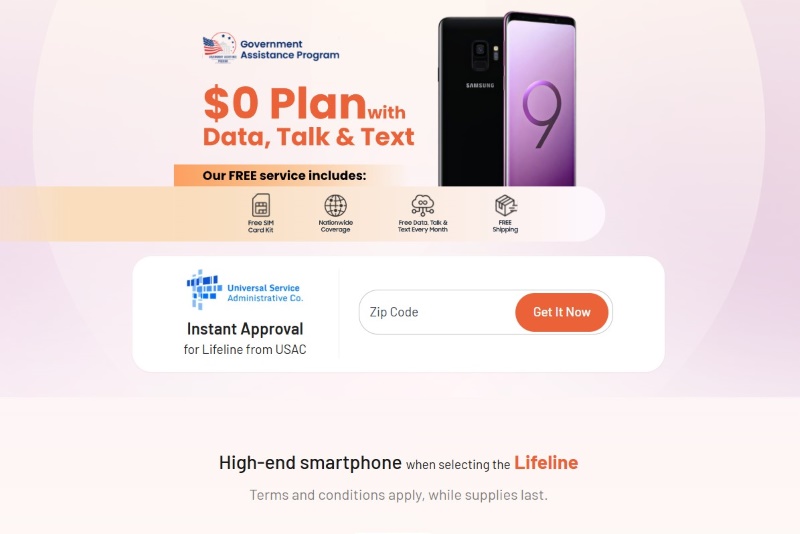
TAG Mobile is a well-regarded ETC known for making the process accessible for people who need it most. For Medicare recipients who qualify, a TAG Mobile Lifeline plan may include:
- Unlimited talk and unlimited text, helping you stay in touch with healthcare providers, caregivers, and family members
- Generous data allowance (up to 16GB in some areas), useful for telehealth visits, health apps, and online information
- Free international calling to multiple countries, making it easier to stay connected with loved ones abroad
- Free SIM kit or eSIM with no activation cost
- Wi-Fi calling and essential features like Voicemail, Caller ID, Call Waiting, and 3-Way Calling
- Nationwide 5G coverage for more reliable daily use
6. Final Words
Figuring out does Medicare cover memory care is often just the starting point, not the full answer families need. Because coverage is limited, planning and combining different support options becomes essential. Small things like staying organized, keeping in touch with providers, and tracking care can make a big difference day to day.
Having reliable access to communication also helps reduce stress during this process. That’s where solutions from TAG Mobile can quietly support you, making it easier to stay connected and handle care with more confidence.
- Share This:
-

-

-

-

-



About the author
