

Does Medicare Cover Stair Lifts? Coverage Rules & Alternatives
For many seniors, maintaining safety and independence at home becomes more challenging when mobility declines. This leads to a common question: Does Medicare cover stair lifts when considering practical home solutions?
Knowing what Medicare actually covers helps you plan your budget and avoid unexpected expenses. To get a clearer picture of coverage rules, costs, and available support options, you can check out the detailed guide from TAG Mobile.
1. Does Medicare Cover Stair Lifts?
Original Medicare generally does not cover stair lifts because they are classified as home modifications rather than medically necessary durable medical equipment. Even if a doctor recommends installation for safety reasons, the cost is typically not reimbursed under Part B.
If you’re wondering does Medicare cover stair chair lifts, the answer remains no, as these devices are not classified as durable medical equipment (DME) under Medicare guidelines.
>>> Read More: Does Medicaid Cover Hospice? A Guide to End-of-Life Care
2. What Medical Equipment Does Medicare Cover Instead?
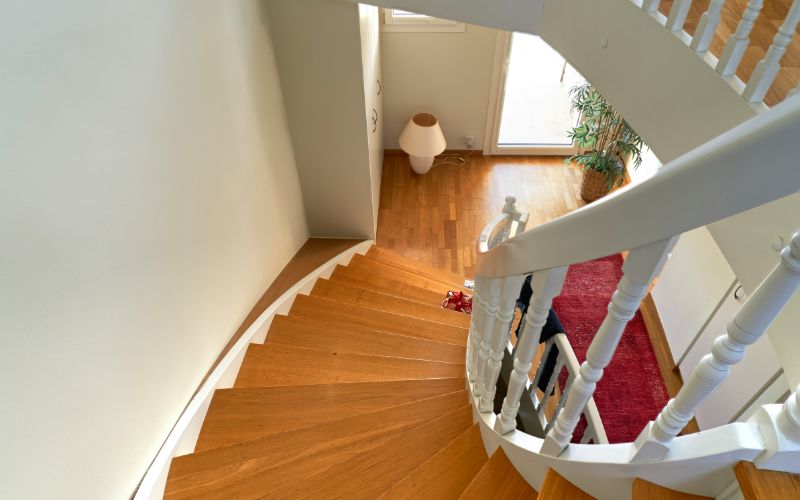
While stair lifts are not covered, Medicare does provide support for a wide range of durable medical equipment that helps improve mobility and daily living. When it comes to the question does Medicare cover home stair lifts, it’s important to know that coverage is limited to medically necessary equipment approved under Part B.
Medicare-covered DME includes, but is not limited to:
- Canes
- Commode chairs
- Continuous passive motion machines, devices, and accessories
- Continuous Positive Airway Pressure (CPAP) machines
- Crutches
- Diabetes supplies
- Blood sugar monitors
- Blood sugar test strips
- Blood sugar control solutions
- Lancets and lancet holders
- Hospital beds
- Infusion pumps and supplies
- Nebulizers and medications
- Oxygen equipment and accessories
- Patient lifts
- Pressure-reducing support surfaces
- Suction pumps
- Traction equipment
- Walkers
- Wheelchairs and scooters
>>> Read More: Does Medicare Cover 24-Hour in Home Hospice Care? 5 Facts
3. Medicare vs Medicaid: The Key Difference for Home Modifications
One should be aware of the difference between Medicare and Medicaid when they explore support for home safety improvements. While both programs provide healthcare assistance, they serve different groups and offer very different benefits, especially for home modifications.
Medicare
Medicare is a federal health insurance program primarily for individuals aged 65 and older or those with certain disabilities. It focuses on covering medically necessary services such as hospital care, doctor visits, and approved durable medical equipment.
Many people specifically ask, does Medicare cover stair lifts, especially when planning for safer mobility at home. However, Medicare does not cover home modifications like stair lifts, ramps, or structural changes, even if they improve safety.
Coverage is standardized nationwide, and beneficiaries are typically responsible for premiums, deductibles, and coinsurance depending on their plan.
Medicaid
Medicaid is a joint federal and state program designed for individuals with limited income and resources. Unlike Medicare, Medicaid may offer broader support, including certain home and community-based services that can help with accessibility improvements, depending on the state.
In addition to healthcare coverage, Medicaid eligibility can also qualify individuals for the Lifeline program, which provides free or discounted phone services. This added benefit makes Medicaid especially valuable for those seeking both healthcare and everyday cost support.
4. How Lifeline Can Help Reduce Monthly Costs with Medicaid
The Lifeline program is a federal initiative that helps low-income residents reduce the cost of essential communication services such as phone service and internet service.
It provides monthly discounts, and through participating Lifeline carriers like TAG Mobile, eligible individuals may also receive a free device along with talk, text, and data benefits.
While Lifeline focuses on communication savings, some people may assume that Medicare qualifies for Lifeline. However, it is Medicaid that belongs to the official qualification deciders. If you receive Medicare, you may still be eligible through other criteria, such as income limits or participation in qualifying programs.
Eligibility for Lifeline is based on either:
- Income at or below 135% of the Federal Poverty Guidelines, or
- Participation in qualifying programs, such as Medicaid, SNAP, SSI, or other approved assistance programs
To apply for a free device with Medicaid through Lifeline:
- Confirm that you qualify for Medicaid and prepare proof of enrollment along with essential documents.
- Go to the TAG Mobile website, enter your ZIP code, and review available plans in your area.
- Select a Lifeline plan and pick a free phone option based on current availability.
- Fill in your personal information and upload essential documents.
- Review your details, submit the application, and wait for confirmation and delivery, typically within 7 to 14 business days.

Note: Eligibility varies by state and program. Offers depend on availability and qualifications. TAG Mobile operates under the federal Lifeline Program as an Eligible Telecommunications Carrier (ETC). Service is non-transferable and limited to one service per household.
5. FAQs about Medicare and Stair Lifts
These common questions, including what Medicare does and does not cover , provide clear answers to help you make informed decisions about stair lifts and related costs.
Does Medicare cover stair lifts for seniors?
Medicare does not cover stair lifts for seniors because they are considered home modifications, not medical equipment. Even if the device improves safety, it does not meet Medicare’s definition of medically necessary care. As a result, seniors typically need to pay the full cost or explore alternative programs.
Does Medicare cover home stair lifts?
No, Medicare does not cover home stair lifts under Part A or Part B. These installations are classified as structural changes rather than approved medical treatments or equipment. Beneficiaries must look for other financial assistance options if they need this type of support.
What is the general cost of a stair lift?
The cost of a stair lift usually ranges from $2,000 to $5,000 for straight staircases. More complex designs, such as curved stair lifts, can exceed $10,000 depending on customization and installation. These costs are generally paid out of pocket since Medicare does not provide coverage.
What diagnosis will cover a lift chair for the elderly?
Medicare may cover the motorized lifting mechanism of a lift chair if it is medically necessary for conditions like severe arthritis or neuromuscular diseases. A doctor must prescribe the device and confirm that the patient cannot stand up without assistance. However, Medicare only covers the lifting mechanism, not the entire chair.
Does Medicare Part B cover stair lifts?
Medicare Part B does not cover stair lifts because they are not classified as durable medical equipment. Coverage is limited to items that are primarily medical in purpose and used for treatment. Since stair lifts are considered home improvements, they are excluded from Medicare benefits.
6. Final Words
Understanding Does Medicare cover stair lifts is essential when planning for safer mobility at home. Since Original Medicare does not include coverage for these devices, it is important to explore alternative solutions to manage costs effectively. Options such as Medicaid or state-based programs may provide additional support depending on eligibility.
At the same time, staying connected should not become another financial burden. Providers like TAG Mobile offer affordable communication services and free devices for eligible users. By reviewing all available options, you can protect your safety, control expenses, and maintain reliable daily connectivity.
- Share This:
-

-

-

-

-



About the author
