

Does Medicare Cover 24-Hour in Home Hospice Care? 5 Facts
Understanding hospice care coverage can feel overwhelming, especially when families need continuous support at home. Many people ask, Does Medicare cover 24-hour in home hospice care? The answer depends on specific circumstances, as Medicare typically provides intermittent care rather than round-the-clock services. Knowing what is included and what may require additional arrangements helps you plan with confidence and avoid unexpected gaps in care.
For a deeper understanding, explore detailed guides and helpful resources from TAG Mobile, where you can also learn how eligible users may receive free or discounted devices to stay connected during critical moments.
1. Does Medicare Cover 24-Hour In-Home Hospice Care?
Many families wonder, does Medicare cover 24-hour in home hospice care, especially when a loved one needs constant support. In most cases, Medicare does not provide continuous, round-the-clock care in your home.
Instead, hospice services are typically delivered through scheduled visits by healthcare professionals, with doctors and nurses available on call 24/7 for urgent needs.
This means your care team won’t be physically present all day, but you can still receive compassionate, professional support while staying in the comfort of your home, surrounded by family and familiar surroundings.

2. What Medicare DOES Cover for Hospice Care at Home
While Medicare doesn’t typically pay for full-time, around-the-clock care at home, it does provide a wide range of hospice services designed to support both patients and families.
If you’re asking “does Medicare cover 24-hour in home hospice care”, it’s equally important to understand what hospice care includes so you can plan care more effectively.
Routine Home Hospice Care
This is the most common level of hospice care covered by Medicare. Patients receive scheduled visits from nurses, aides, and other professionals to manage symptoms and maintain comfort at home.
Care is tailored to individual needs and can be provided wherever the patient lives, helping them stay in a familiar, supportive environment.
Medical Equipment and Supplies
Medicare covers essential equipment and supplies related to the terminal illness, such as hospital beds, wheelchairs, medications for pain relief, and other necessary items. These are typically included as part of the hospice benefit, ensuring patients have what they need without high additional costs.
Hospice Care Team Support
Hospice care is delivered by a coordinated team that may include doctors, nurses, social workers, counselors, and trained volunteers. This team works together to address not only physical symptoms but also emotional and spiritual needs, providing comprehensive support throughout the care journey.
24/7 On-Call Support
Even though caregivers are not present all day, Medicare ensures access to support at any time. Hospice teams are available on call 24/7 to respond to urgent concerns, offer guidance, or arrange additional care when needed, giving families peace of mind during critical moments.
>>> Read More: Was Medicare Ever Free – Discover How Coverage Changed
3. Medicare vs Medicaid: Why This Matters for Additional Support
Understanding the difference between these two programs is essential when planning long-term care, especially if you’re asking does Medicare cover 24-hour in home hospice care.
While Medicare offers important medical and hospice benefits, Medicaid may provide additional support that fills critical gaps.
Medicare: Federal Health Insurance
Medicare is a federal program primarily designed for people aged 65 and older, as well as younger individuals with certain disabilities.
Coverage is consistent nationwide and typically includes hospital care, outpatient services, and hospice care. However, it generally focuses on short-term or medically necessary services, not long-term custodial care.
Medicaid: Income-Based, Extended Support
Medicaid, on the other hand, is a joint federal and state program that provides coverage for people with limited income and resources.
Because it is state-administered, benefits can vary, but they often include services that Medicare does not, such as long-term care, personal care assistance, and extended in-home support.
Key Differences That Impact Care Choices
The biggest distinction lies in eligibility and coverage. Medicare is mainly based on age or disability, while Medicaid is based on financial need. In many cases, people who qualify for both programs (known as “dual eligible”) use Medicare as their primary insurance, with Medicaid helping cover additional costs or services not included under Medicare.
Why This Matters for 24-Hour Care
If continuous, 24-hour care at home is needed, Medicare alone is usually not enough. Medicaid may offer the extended, long-term support required, depending on eligibility and state programs. Understanding how these two systems work together can help families build a more complete and realistic care plan.
4. When Care Needs Increase, Staying Connected Becomes Essential
As care needs grow more complex, staying connected becomes more than a convenience. It’s a lifeline for coordinating care, reaching medical teams, and staying in touch with loved ones
For many individuals and families, reliable communication can make a meaningful difference in managing daily challenges and responding quickly to urgent situations.
Programs like Medicaid not only help cover healthcare costs but can also make you eligible for the Lifeline Program, a federal initiative designed to provide affordable phone and internet services to low-income households. Lifeline helps ensure that essential communication remains accessible, especially during critical times when consistent support is needed.
Through Lifeline providers like TAG Mobile, eligible users can access free or discounted phones and service plans, making it easier to stay connected without added financial stress.
This added layer of support can bring peace of mind, helping families focus more on care and less on communication barriers.
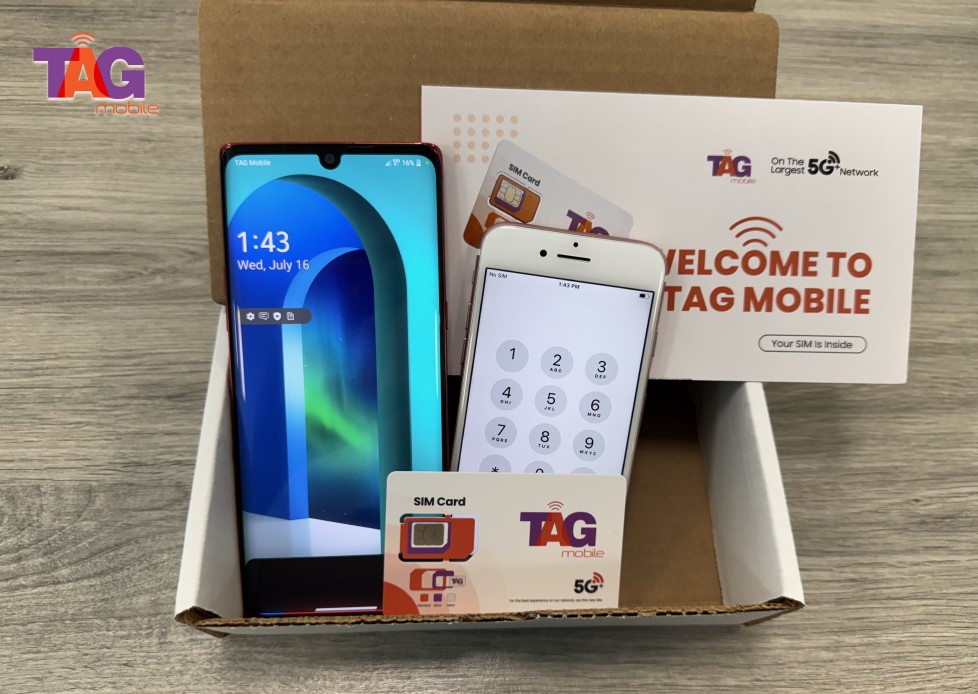
Read more: Free Phone For Seniors On Medicare: How To Apply In 5 Steps
5. Final Words
Understanding does Medicare cover 24-hour in home hospice care helps families set realistic expectations and plan for the level of support their loved ones truly need. While Medicare provides essential hospice benefits, exploring additional options ensures more comprehensive care when needs increase.
Just as important, staying connected can make a meaningful difference during this time, whether coordinating with care teams or keeping in touch with family. With TAG Mobile and the Lifeline Program, eligible users can access free or discounted devices, helping you stay informed, supported, and connected every step of the way.
Notice: The government does not cover device costs, only basic service through Lifeline. Any free or discounted devices, upgrades, or top-ups are limited-time TAG Mobile offers and may vary by state, eligibility, and availability. Terms and conditions apply.
- Share This:
-

-

-

-

-



About the author
