

Is Diabetes a Disability? 2026 Guide to Benefits & Rules
Is diabetes a disability? Diabetes can qualify as a disability under certain circumstances, especially when it significantly limits major life activities or requires ongoing medical treatment.
Eligibility for programs like Social Security Disability Insurance (SSDI) or Supplemental Security Income (SSI) depends on the severity of the condition and its impact on daily functioning. For detailed guidance on benefits, rules, and how diabetes may affect your eligibility, refer to the comprehensive TAG Mobile guide for practical tips and resources.
1. Is Diabetes a Disability?
Is diabetes considered a disability? Yes, diabetes is recognized as a disability under laws such as the Americans with Disabilities Act (ADA) because it substantially affects the endocrine system, which is a major bodily function. This means that individuals with diabetes are entitled to certain protections against discrimination in employment, education, and public services.
Understanding whether diabetes is considered a disability helps you access legal rights, workplace accommodations, and benefit programs designed to support those managing this chronic condition.
2. When Diabetes Is Considered a Disability
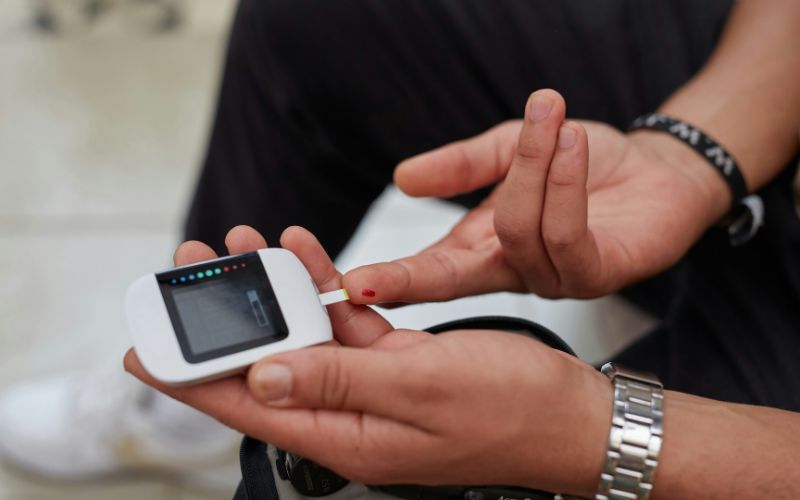
Is diabetes a disability? Diabetes can qualify as a disability when it substantially limits major life activities or requires ongoing medical management. Both type 1 and type 2 diabetes are recognized as protected conditions under federal law, ensuring access to workplace accommodations and government benefits.
Under the ADA (Workplace Protections)
Under the Americans with Disabilities Act (ADA), both type 1 and type 2 diabetes are considered disabilities, granting employees legal protections against workplace discrimination. Employers must provide reasonable accommodations, such as flexible schedules for blood sugar monitoring, meal breaks, or time off for medical appointments.
Whether you are asking, “Is type 1 diabetes a disability?” or “Is type 2 diabetes considered a disability?”, the ADA ensures that your condition is recognized and that you are entitled to fair treatment. Knowing your rights allows you to request accommodations confidently and avoid unfair job-related consequences due to diabetes.
Under SSA (SSI/SSDI Eligibility)
The Social Security Administration (SSA) may recognize diabetes as a qualifying condition for Supplemental Security Income (SSI) or Social Security Disability Insurance (SSDI) if it significantly limits your ability to work or manage daily activities. Type 1 diabetes often qualifies due to the need for insulin and ongoing medical care, while type 2 diabetes may qualify if complications affect your health or mobility.
Asking whether type 1 diabetes is a disability or whether type 2 diabetes is considered a disability helps clarify potential eligibility. Understanding SSA criteria and documenting your medical condition thoroughly can make applying for disability benefits more straightforward and increase your chances of approval.
3. What Benefits Can You Receive if Approved?
Being recognized as disabled due to diabetes opens the door to several financial and healthcare benefits designed to support daily living. Knowing which programs you may qualify for helps you plan effectively and ensures you can access essential services without unnecessary stress.
Monthly SSI Payments
If approved, individuals with diabetes may receive Supplemental Security Income (SSI), which provides a base federal payment that may vary depending on income and state supplements. The amount depends on your income, resources, and living situation. SSI payments help with essentials such as food, rent, utilities, and diabetes-related expenses like insulin, glucose monitoring devices, or specialized diets.
For many recipients, this consistent financial support provides stability and peace of mind, allowing them to focus on managing their condition without worrying about immediate financial pressures.
Medicaid Coverage
Approval as disabled may also make you eligible for Medicaid, which offers comprehensive healthcare coverage for medical appointments, hospitalizations, prescription medications, and diabetes management supplies. Coverage varies by state, but Medicaid often reduces or eliminates out-of-pocket costs for insulin, testing supplies, and other necessary treatments.
Having Medicaid ensures that recipients can access ongoing care, preventive services, and emergency treatment, which are crucial for maintaining health and preventing complications from diabetes. This safety net is particularly important for those managing type 1 or type 2 diabetes.
Additional Support Programs
Beyond SSI and Medicaid, approved individuals may qualify for additional support programs designed to help with daily living and long-term stability. These can include nutritional assistance, utility discounts, transportation support, or vocational and employment programs for people with disabilities.
Leveraging these programs allows recipients to maximize available resources, maintain independence, and manage the extra challenges associated with diabetes. Understanding all potential benefits ensures you can fully utilize support systems and maintain a higher quality of life while effectively managing your condition.
4. If You Qualify for SSI, You May Also Qualify for Lifeline
If you qualify for SSI, you may also be eligible for other benefits, including the Lifeline Program, which helps reduce the cost of phone and internet services. You can qualify for Lifeline in two main ways: by participating in government assistance programs like SSI or by meeting income-based limits for your household.
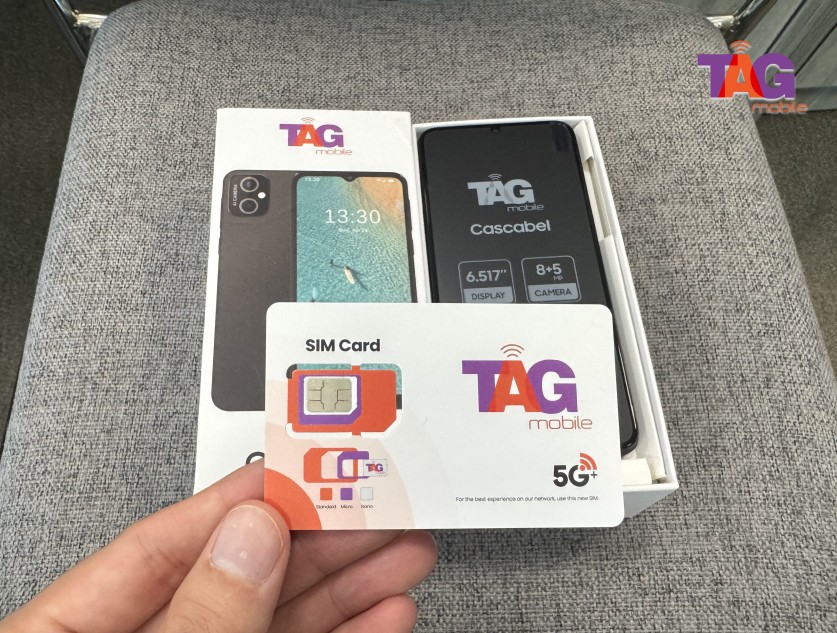
TAG Mobile participates in the Lifeline Program, offering discounted or free connectivity to eligible recipients. Using SSI to qualify makes it easier for individuals managing diabetes or other disabilities to stay connected and access essential services. If you’re eligible through SSI, the application process is simple and can be completed in just a few steps:
- Confirm you currently receive SSI benefits or meet income eligibility requirements
- Prepare documents such as your SSI award letter or benefit statement
- Visit the TAG Mobile website and enter your ZIP code to view available Lifeline plans
- Choose a plan and select a free smartphone or tablet
- Complete the application with your personal details (name, address, date of birth, last four digits of SSN)
- Upload proof of SSI participation if required
- Review your information carefully and submit the application
- Once approved, receive your device within 7-10 business days with activation instructions
>>> Also read: How To Get A Free Phone WITHOUT Paying? Top Phone Companies
Notice: The government does not cover device costs, only basic service through Lifeline. Any free or discounted devices, upgrades, or top-ups are limited-time TAG Mobile offers and may vary by state, eligibility, and availability. Terms and conditions apply.
Final Words
Diabetes can be recognized as a disability, providing access to important benefits like SSI, SSDI, and Medicaid that help cover medical and living expenses. Understanding whether is diabetes a disability allows you to plan effectively and secure the support you need. While managing a chronic condition can be challenging, these programs ensure stability and access to care.
TAG Mobile offers helpful guidance and resources for individuals with diabetes, including ways to qualify for the Lifeline Program. Consider applying through SSI with TAG Mobile to maintain affordable phone and internet services while managing your condition confidently.
- Share This:
-

-

-

-

-

About the author
